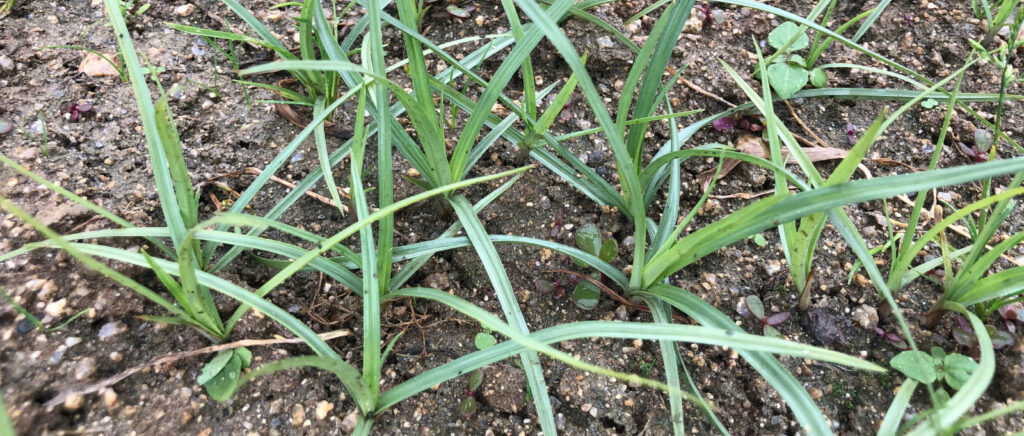
For decades, agricultural plastic has been a standard in most horticultural tasks, and its use remains integrated as an established and necessary custom to obtain satisfactory results when dealing with the appearance of weeds such as nutsedge, controlling soil moisture or evaporation, achieving uniformity in crop development, and avoiding costs in the manual tasks typical of each traditional sowing cycle.
However, the progressive evolution of cultivation techniques in different environments and the growing need to simplify these tasks, as well as reduce polluting waste and implement materials with greater adaptability to diverse agricultural requirements, have promoted the creation of advanced and highly effective agricultural alternatives, such as Novamulch biodegradable paper mulch; fully aligned with current and sustainable demands.
Welcome back to our Novamulch agricultural space. In this chapter, we’ll take a comparative look at both materials from every possible angle: agricultural plastic and Novamulch biodegradable paper mulch. Let’s begin.
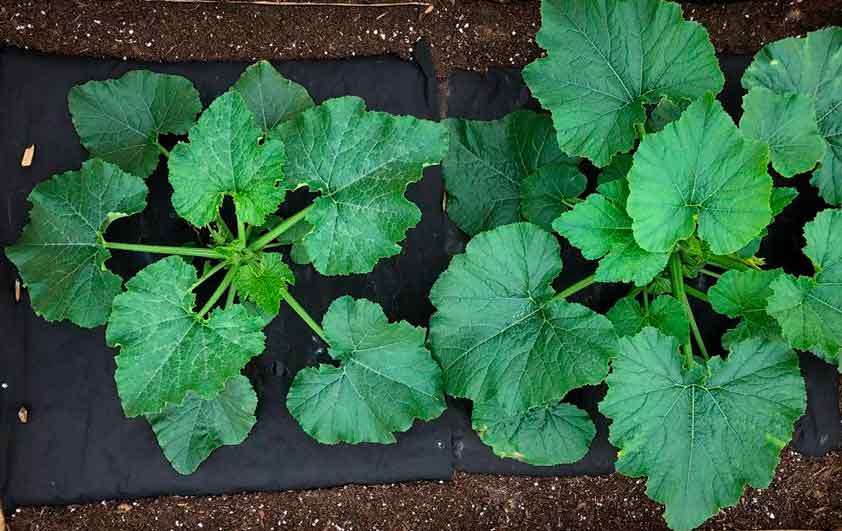
Characteristics of Agricultural Plastic.
This material is widely used in horticulture, fruit growing and intensive crops thanks to its ability to modify the soil microclimate and improve production efficiency.
It is manufactured primarily from various polymers that determine both its field performance and its durability and resistance to radiation and humidity. Let’s examine its main characteristics.
Soil temperature control:
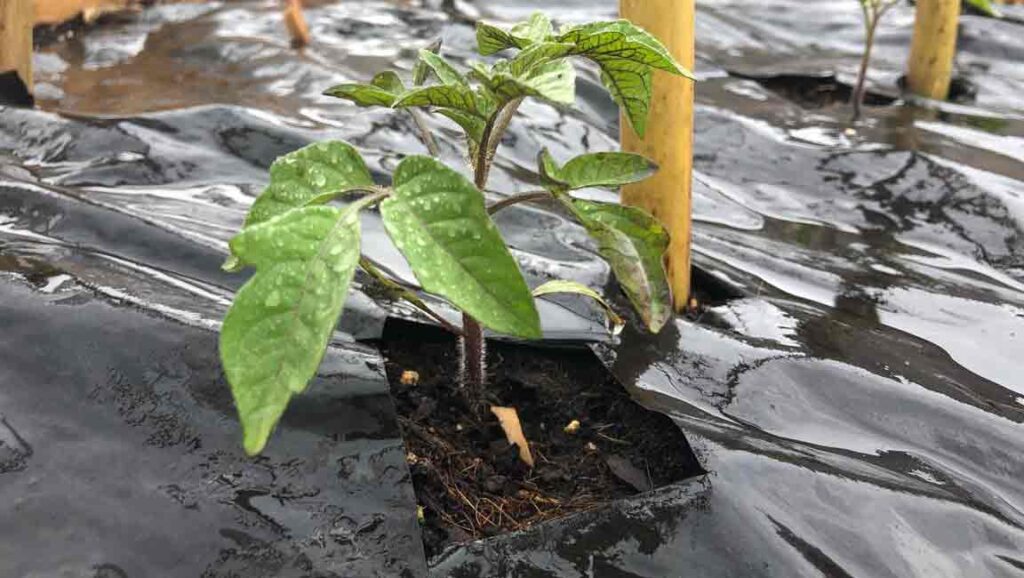
Agricultural plastic acts as a thermal barrier, modifying the amount of solar radiation absorbed and retained in the soil. Black films reduce light and maintain more stable temperatures. Transparent films allow for a direct greenhouse effect, raising the soil temperature, and are especially useful for spring planting.
Moisture retention and evaporation reduction:
One of the most valued characteristics of agricultural plastic is its ability to significantly reduce water evaporation, allowing for optimized irrigation and decreased water consumption. Plastic mulches can reduce water loss by between 20% and 50%, depending on the crop and climate.
Effective weed control:
Plastic film blocks light from reaching the soil, preventing the germination of seeds from weeds. Black, opaque plastics are the most effective for weed control and reduce or eliminate the need for herbicides in many horticultural crops.
Durability and mechanical resistance:
This material can withstand cycles of rain, wind, UV radiation, and mechanical stresses from installation. Its lifespan can vary between 3 and 12 months depending on its thickness, additives, and weather conditions. Many of these films incorporate UV-resistant additives to extend their durability.
Versatility of colors and optical properties:
The behavior of agricultural plastic changes depending on its color and composition. Let’s analyze it.
- Black, produces maximum weed suppression.
- Transparent, it generates a higher thermal elevation.
- Black/white, prevents overheating in warm climates.
- Silver/black, combined with a reflective effect to reduce pests such as aphids and thrips.
- These variations allow this agricultural plastic to be adapted to the needs of each crop and the specific environmental conditions of each region.
Impermeability and physical separation of the crop:
Agricultural plastic acts as a protective barrier between the soil and the plant structure, preventing splashing of pathogens, soil erosion, and direct compaction from heavy rains.
Compatibility of agricultural plastics with localized irrigation systems:
It integrates easily with drip irrigation and other advanced irrigation systems, allows for more efficient water distribution, and reduces deep percolation and nutrient waste.
Waste generation at the end of the cycle:
A critical characteristic of agricultural plastic is that it does not degrade in the soil, so it must be removed manually or by machinery after cultivation.
The waste generated by agricultural plastics after removal represents one of the biggest challenges due to its removal costs and low recycling rates. Furthermore, the residual presence of microplastics in agricultural soils has been documented in recent international studies.
Below we refer to this interesting information:
Features of Novamulch biodegradable paper mulch.
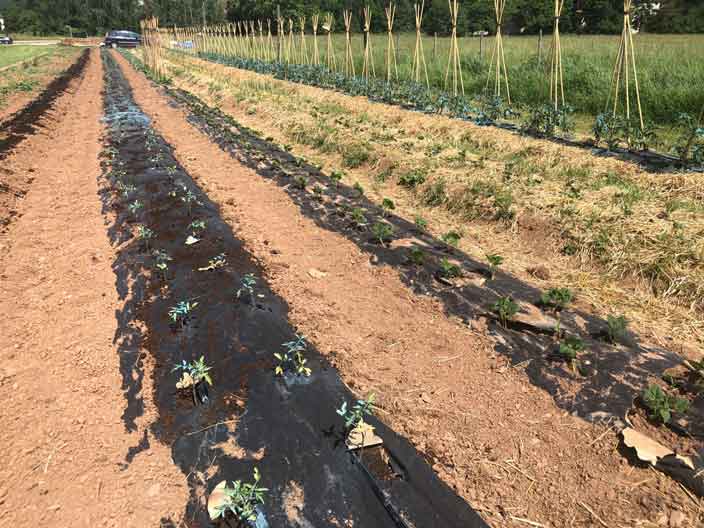
This is an advanced technology solution that delivers superior and efficient performance for any type of crop and climate, and is designed using naturally sourced cellulosic fibers, making it completely sustainable. Let’s examine its main features.
Certified biodegradability in soil:
Novamulch biodegradable paper mulch is designed to decompose directly into the soil at the end of each growing cycle.
It leaves no plastic residue or synthetic fragments, as its biodegradation occurs through microbial action and natural soil conditions, becoming an important and high-quality substrate for future crops and composting.
Weed control through natural opacity:
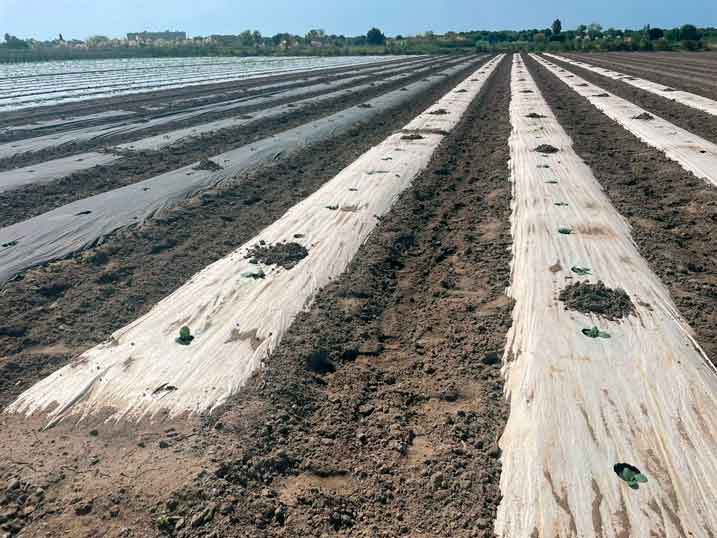
Novamulch paper mulch has sufficient opacity to block sunlight from reaching any soil surface, preventing weed germination as effectively as black plastic mulch. It also reduces or eliminates the need for herbicides and maintains clean, uniform growing cycles.
Excellent humidity regulation and evaporation reduction:
Paper acts as a physical barrier that combats evaporation and helps to efficiently retain soil moisture. In drip irrigation systems, it becomes essential to avoid high water costs.
Balanced thermal behavior:
Novamulch biodegradable paper mulch offers a suitable thermal balance, especially for Mediterranean crops. It prevents temperature spikes in the soil and promotes more regular and balanced root development, particularly in warm climates.
Tear resistance and stability throughout the crop cycle:
This material maintains its structure throughout the entire growing cycle. It is designed to withstand wind, rain, and irrigation. It is perfectly suited for both manual and mechanical installation.
Complete elimination of removal work:
One of the most valued features of Novamulch biodegradable paper mulch is that it does not require removal at the end of the cycle.
This benefits us by saving time and labor, reducing operating costs, simplifying post-harvest management, and completely eliminating the possibility of generating inorganic waste.
We must take into account on this point that agricultural plastic represents one of the most expensive tasks of intensive farming because it needs to be removed and a costly cleaning of residues is required to properly prepare the soil.
Compatibility with organic farming:
Novamulch biodegradable paper mulch is accepted in organic production systems because it complies with European regulations and is certified, thus integrating into sustainable farming practices and also contributing to improving soil health by not introducing synthetic residues.
Improvement of soil surface structure:
During the natural biodegradation process, Novamulch biodegradable paper mulch promotes the generation and development of microbial activity, helps improve the surface texture of the soil, reduces crusting after heavy rains, and acts as a barrier against erosion, compaction, and leaching.
Suitable for Mediterranean crops and medium cycles:
The behavior of Novamulch biodegradable paper has shown particularly good results in solanaceous crops such as tomato, pepper, and eggplant, in cucurbits such as melon, watermelon, and zucchini, in brassicas such as broccoli, cauliflower, cabbage, turnip, radish, mustard, arugula, and spring/summer vegetables.
Comparison between agricultural plastic and Novamulch biodegradable paper mulch.
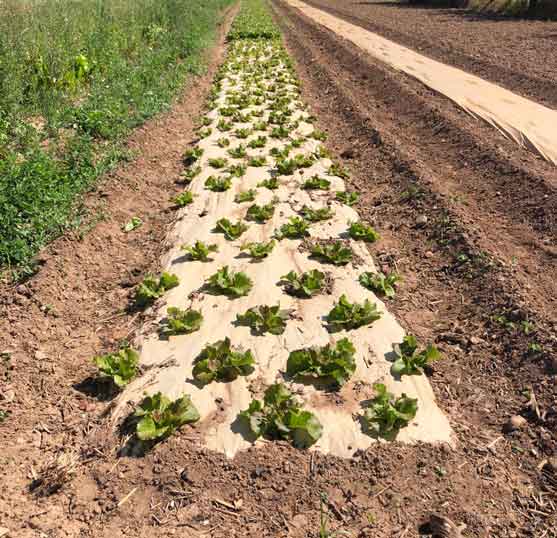
Weed control.
Novamulch biodegradable paper mulch:
- Natural opacity of the paper that acts as a control agent on the appearance and proliferation of weeds.
- It reduces and eliminates the need to implement the use of herbicides, which are harmful to our health.
- It degrades naturally in the soil at the end of each growing cycle, so it does not need to be removed.
Agricultural plastic:
- It is quite effective at blocking sunlight, especially in its black or opaque form.
- It has been used for decades in horticultural and fruit crops, generating high costs when removing it manually or mechanically after each harvest, and it also requires proper cleaning of the land for future crops, which further increases our costs.
Assessment:
Both are effective, but Novamulch eliminates waste management and provides us with ecological and fully sustainable crops.
Thermal regulation of the soil.
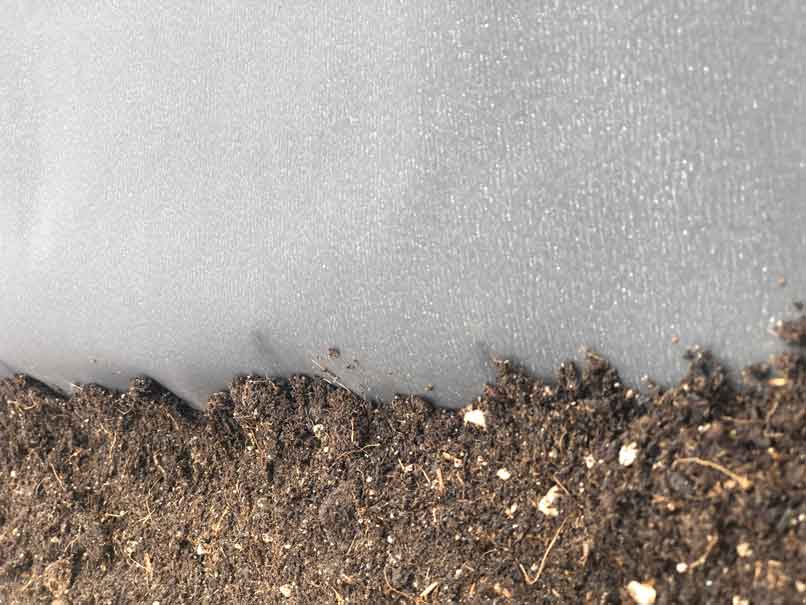
Novamulch biodegradable paper mulch:
It provides perfectly balanced thermal performance throughout the entire crop cycle, thus preventing excessive overheating.
Its use is particularly suitable for Mediterranean climates and periods of high temperatures.
Agricultural plastic:
Transparent or thermal films significantly raise soil temperature, which is often unmanageable and detrimental to plant structure. Black films maintain stability but cause overheating in warm climates.
Assessment:
Agricultural plastic allows for a higher temperature increase, while biodegradable paper provides a balanced and stable thermal profile, which is completely safe for crops sensitive to heat stress.
Moisture conservation and water efficiency.
Novamulch biodegradable paper mulch:
It provides an effective physical barrier that reduces evaporation, soil compaction and leaching, and especially benefits medium-cycle crops such as nightshades and cucurbits.
Agricultural plastic:
It reduces evaporation by 20 to 50% in intensive horticulture crops, and works quite well in localized irrigation.
Assessment:
Both materials are effective in terms of water conservation.
Durability and performance during the cycle.
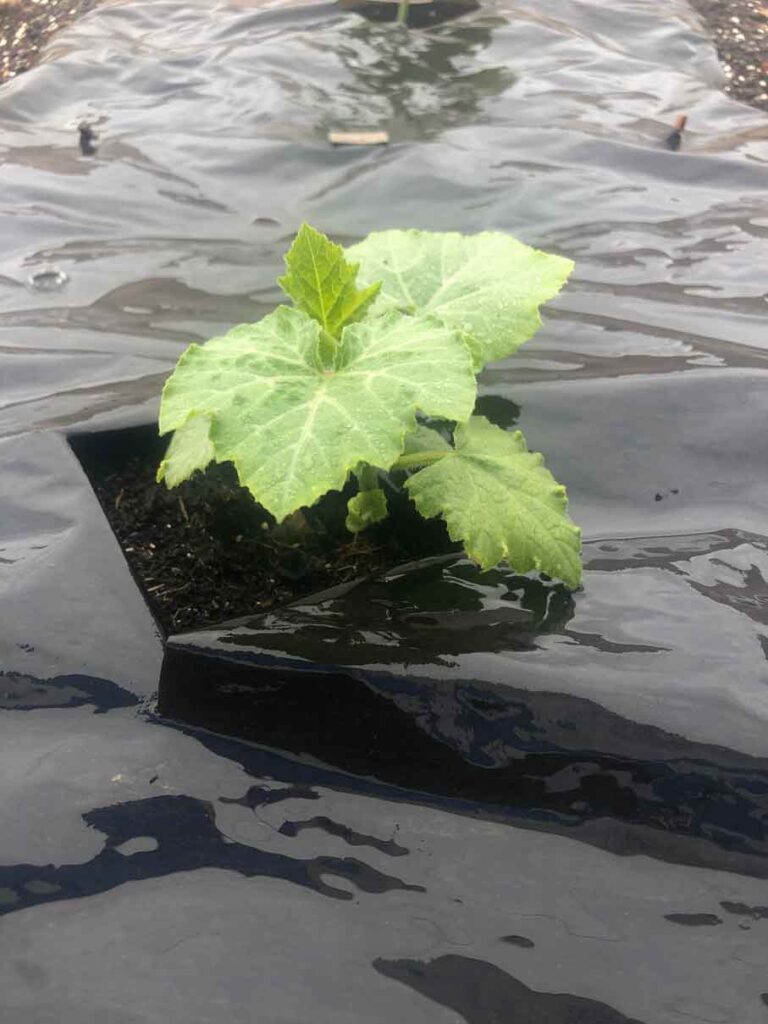
Novamulch biodegradable paper mulch:
- It has been designed to remain stable throughout the entire crop cycle.
- High resistance to wind, rain and irrigation work.
- It begins to biodegrade only when the crop is finished, according to UNE-EN 17033.
Agricultural plastic:
- High resistance thanks to thicknesses and anti-UV additives.
- Shelf life approximately between 3 and 12 months, depending on the quality of the film.
- It is not biodegradable: it remains intact until it is removed.
Installation and management.
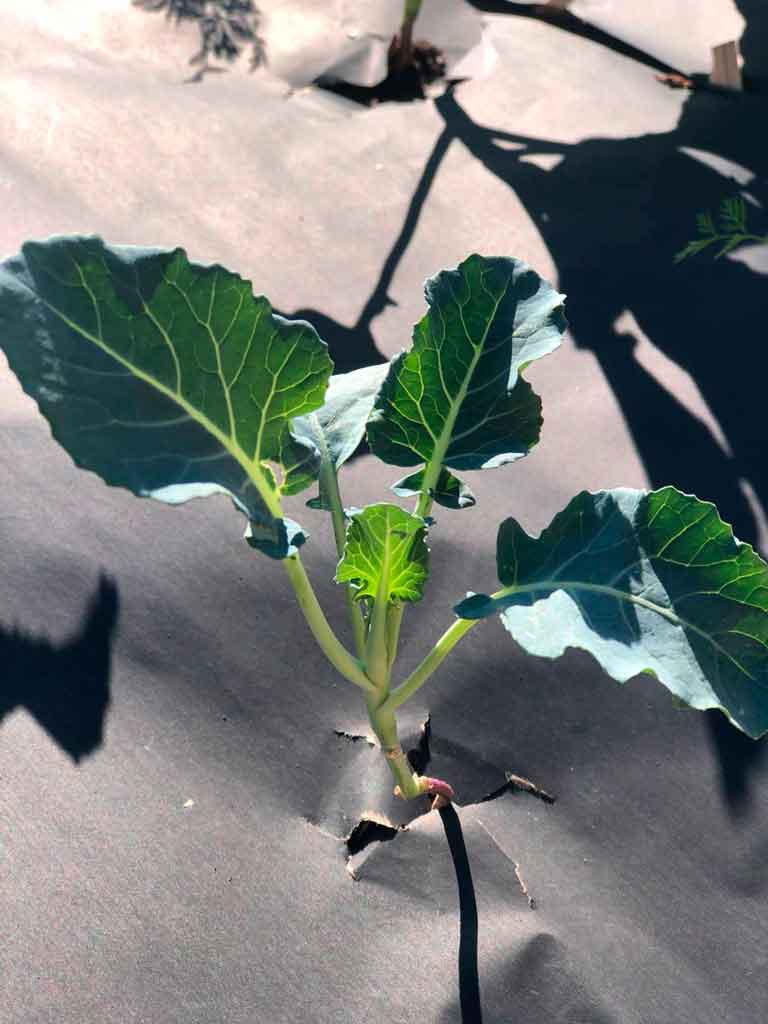
Novamulch biodegradable paper mulch:
- It can be easily installed with machinery or manually.
- It adapts perfectly to raised beds and planting beds for any environment.
- It leaves no synthetic fragments in the soil and becomes a very valuable nutrient for our subsequent crops.
Agricultural plastic:
- It is compatible with standard quilting machinery.
- It may require more tension to prevent ripping or tearing.
- It accumulates residue in the field when it deteriorates.
Assessment:
Similar ease of installation, with a clear operational advantage for Novamulch biodegradable paper mulch as it leaves no residue of any kind, especially plastics. Let’s specify below.
End of cycle, waste management and environmental impact.
Novamulch biodegradable paper mulch:
- Biodegradable in the soil itself, without any removal or subsequent cleaning tasks.
- It does not generate microplastics or synthetic waste.
- It helps to improve the surface and nutrient structure of the soil during its degradation.
Agricultural plastic:
- It must be removed, which involves high labor and transport costs.
- Many agricultural films have recycling rates well below 30%, and leave behind non-recyclable and polluting microplastic residues, thus contributing to the increase in plastic waste in agriculture.
Assessment:
The most critical difference in favor of Novamulch biodegradable paper mulch is that it completely eliminates the removal phase, plastic waste in the soil, and outperforms agricultural plastic in sustainability and compliance with environmental regulations.
Operating costs.
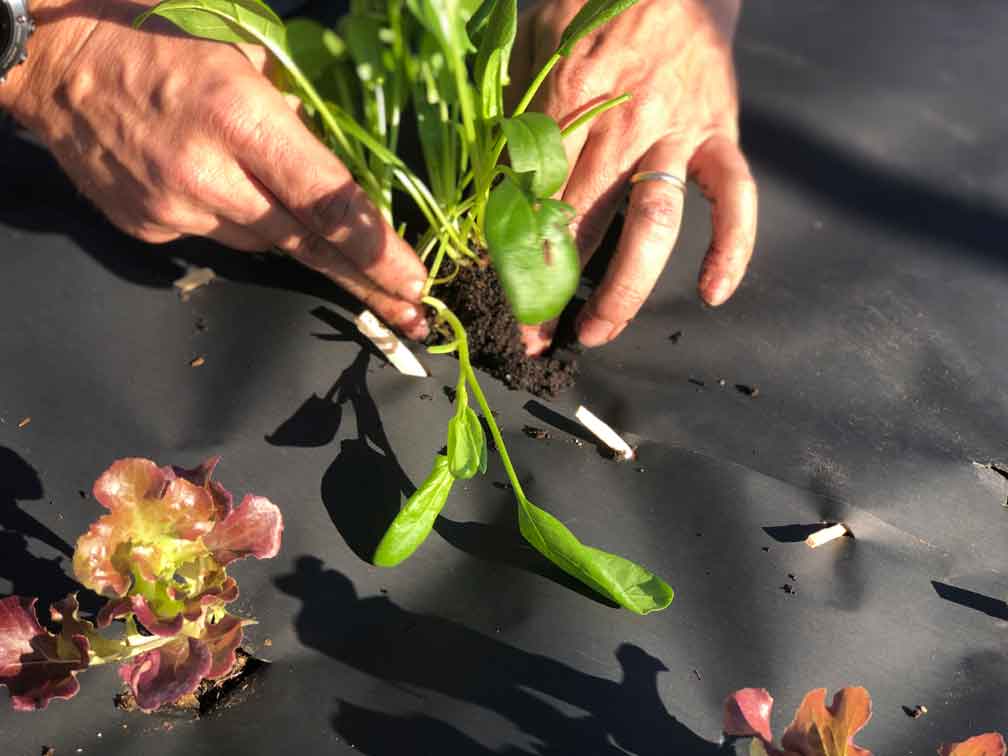
Novamulch biodegradable paper mulch:
The initial cost is slightly higher for some crops, but it offers significant savings by eliminating the need for material removal and costly waste management. It optimizes labor and reduces the time between seasons.
Agricultural plastic:
It usually has a lower initial cost per linear meter, but it does require a high cost at the end of the cultivation cycle, in terms of removal, management, transport, and additional costs when recycling is not viable, which happens in most cases.
Assessment:
The total cost of the cycle is usually lower with Novamulch biodegradable paper mulch, especially on medium and large farms.
Technical result:
Agricultural plastic maintains its agronomic effectiveness, but operating costs and environmental impact make it less competitive compared to Novamulch biodegradable paper mulch, which offers similar performance and clear advantages in sustainability, European regulations and crop management.
Buy Novamulch biodegradable paper mulch here:
-
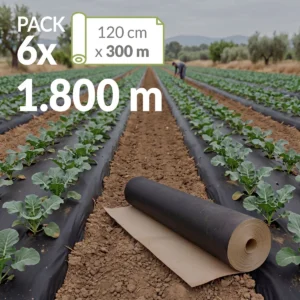 PACK of 6 rolls of Novamulch Professional paper 120 cm. x 300 m. (1.800 m)599,20 € VAT included
 -
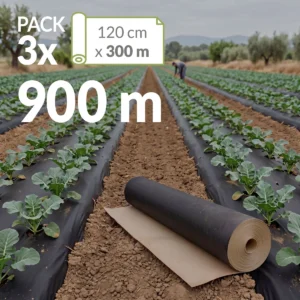 PACK of 3 rolls of Novamulch Professional paper 120 cm. x 300 m. (900 m)299,15 € VAT included
 -
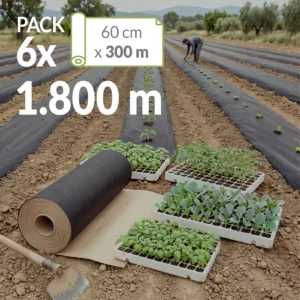 PACK of 6 rolls of Novamulch Professional paper 60 cm. x 300 m. (1.800 m)299,15 € VAT included
 -
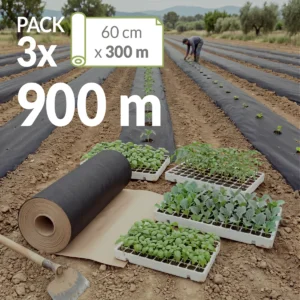 PACK of 3 rolls of Novamulch Professional paper 60 cm. x 300 m. (900 m)149,78 € VAT included
 -
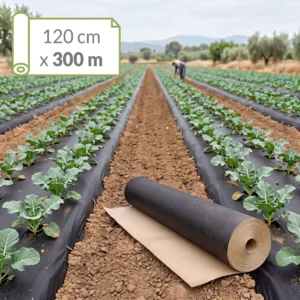 Novamulch Professional Paper 120 cm. x 300 m.99,86 € VAT included
 -
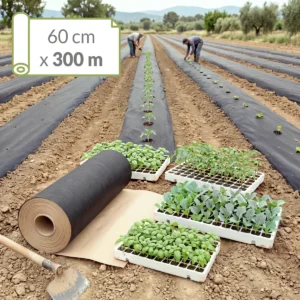 Novamulch Professional Paper 60 cm. x 300 m.49,93 € VAT included
 -
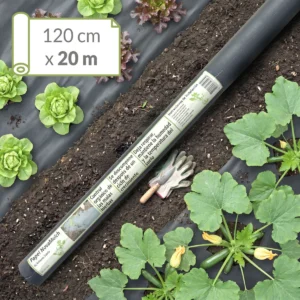 Novamulch paper 120 cm. x 20 m.44,13 € VAT included
 -
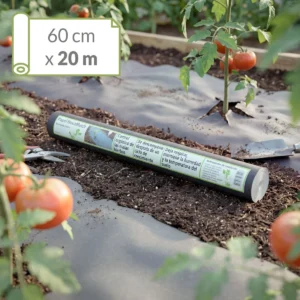 Novamulch paper 60 cm. x 20 m.23,20 € VAT included
 -
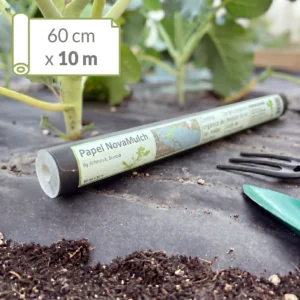 Novamulch paper 60 cm. x 10m.15,74 € VAT included
 -
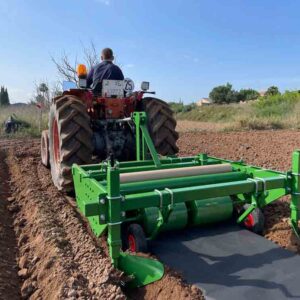 Novamulch agricultural mulching machine
Final reflections and conclusions.
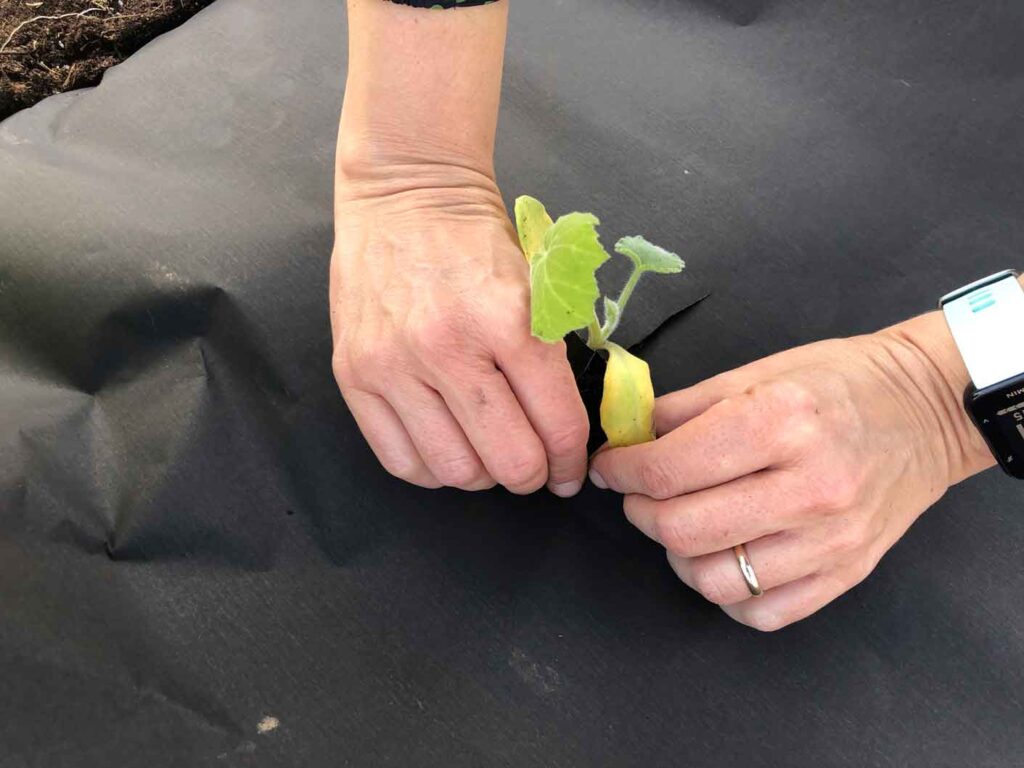
Once we have analyzed this information, we must consider which option benefits not only us but also our ecosystem. Being consistent with sustainability and organic farming practices are, and will continue to be, essential alternatives for us to maintain our health and harmony with everything around us.
This is why opening ourselves up to the option of Novamulch biodegradable paper mulch will benefit us in every way and we will be aligned with the only Earth we have: our beautiful planet.
So, let’s get to work and make the wise and appropriate decision!